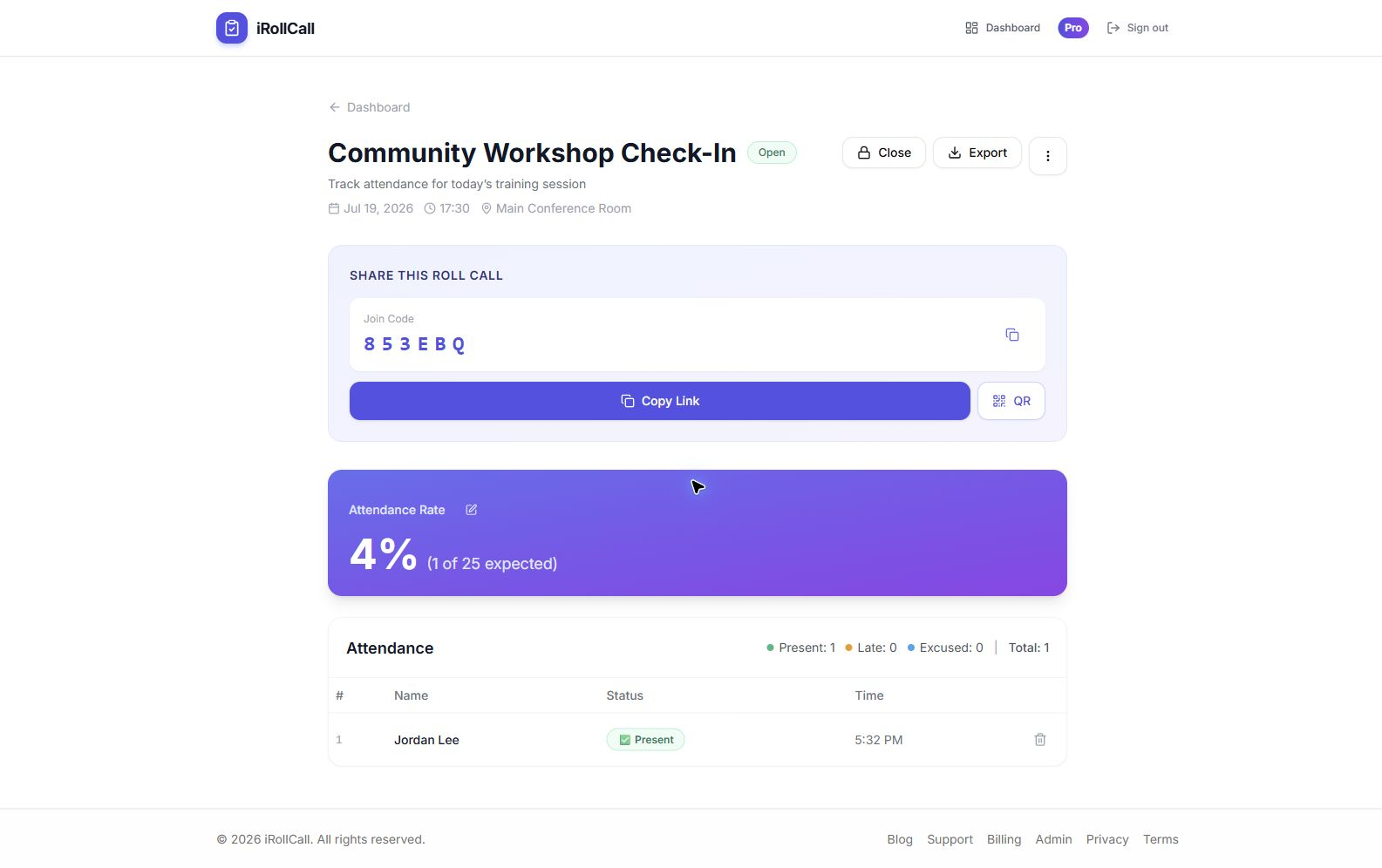
1. Make Attendance Effortless
The harder it is to mark attendance, the less likely people are to do it consistently. Digital tools like QR codes let students check in with a single tap — no sign-up, no app install, no friction.
2. Start Class with Something Worth Attending
Students skip when they believe they can catch up on their own. Begin each session with an activity, discussion, or demo that can't be replicated from notes or recordings.
3. Track Trends, Not Just Totals
Look at patterns: who's absent on Mondays? Who drops off after week 3? Analytics tools help you identify at-risk students before they fall behind.
4. Create Accountability Without Shame
A private check-in after two absences goes further than a public call-out. Reach out with curiosity ('Is everything okay?') rather than accusation.
5. Use Attendance as a Feedback Signal
A spike in absences is often a signal that something about the course isn't working. Use it to reassess pacing, difficulty, or relevance.
6. Give Credit for Showing Up
If attendance has zero formal weight, students will treat it that way. Even a small participation grade tied to in-class check-ins reinforces the habit.
7. Make It Easy to Excuse Absences
A clear, simple process for submitting excuses reduces anxiety around missing class and keeps communication open between students and instructors.
8. Set Expectations Early
Share your attendance policy on day one and revisit it at the start of the term. Students who know the rules upfront are less likely to be caught off guard.
9. Involve Parents for Younger Students
For K–12 settings, automated attendance notifications to parents create a natural accountability loop without requiring teacher effort every day.
10. Celebrate Consistent Attendance
Recognition matters. A simple shout-out to students with perfect attendance — or a small incentive — reinforces the behavior you want to see.